Acupuncture

Equine acupuncture is a profoundly holistic practice that marries ancient Eastern philosophies with modern physiological understanding. It operates on the principle that the horse's body functions as a delicate river system, where the vital life force, or qi, must flow freely to sustain true well-being. When this flow is obstructed by physical tension, emotional stress, or injury, the horse's natural state of harmony is disrupted.
Within this integrative framework, acupuncture gently coaxes the body back into balance. While rooted in energetic principles that address blockages within specific meridian pathways using fine needles, the practice is scientifically supported by its measurable effects: the targeted stimulation of nerve bundles triggers the central nervous system to release the horse's own potent, natural pain-relievers, such as endorphins and serotonin.
This approach aims to nurture the horse's natural capabilities and encourage its healing processes. By potentially enhancing local circulation and supporting the body's systems, the goal is to help restore a sense of balance and vitality to the animal.
Nutrition
Equine nutrition is most effective when managed through a dynamic and highly individualized approach that integrates both conventional nutritional science and the holistic principles of Traditional Chinese Medicine (TCM) 5 Element Nutrition.
The most important factors of this combined methodology include:
Individualized, Not Standardized: The primary focus is on tailoring the diet to the specific, evolving needs of the individual horse, rather than relying on rigid, universal feeding rules or fixed long-term diet plans.
Dynamic and Adaptive: Recognizing that an ideal diet is not static, the nutritional strategy shifts continuously to account for changes in the horse's metabolism, current health status, and environmental factors like season and weather.
Thermal Energy of Foods: A core TCM principle involves incorporating the "thermal energy" or nature of specific foods and herbal supplements to balance the horse's internal health, which is particularly useful for managing various health issues including, chronic conditions such as skin complaints, allergies and musculoskeletal issues.
Holistic Health Management: This integrated philosophy manages overall well-being by using diet as a primary tool to address persistent conditions and maintain long-term health, adapting the feeding regimen slowly in tune with the animal's needs.
Shiatsu
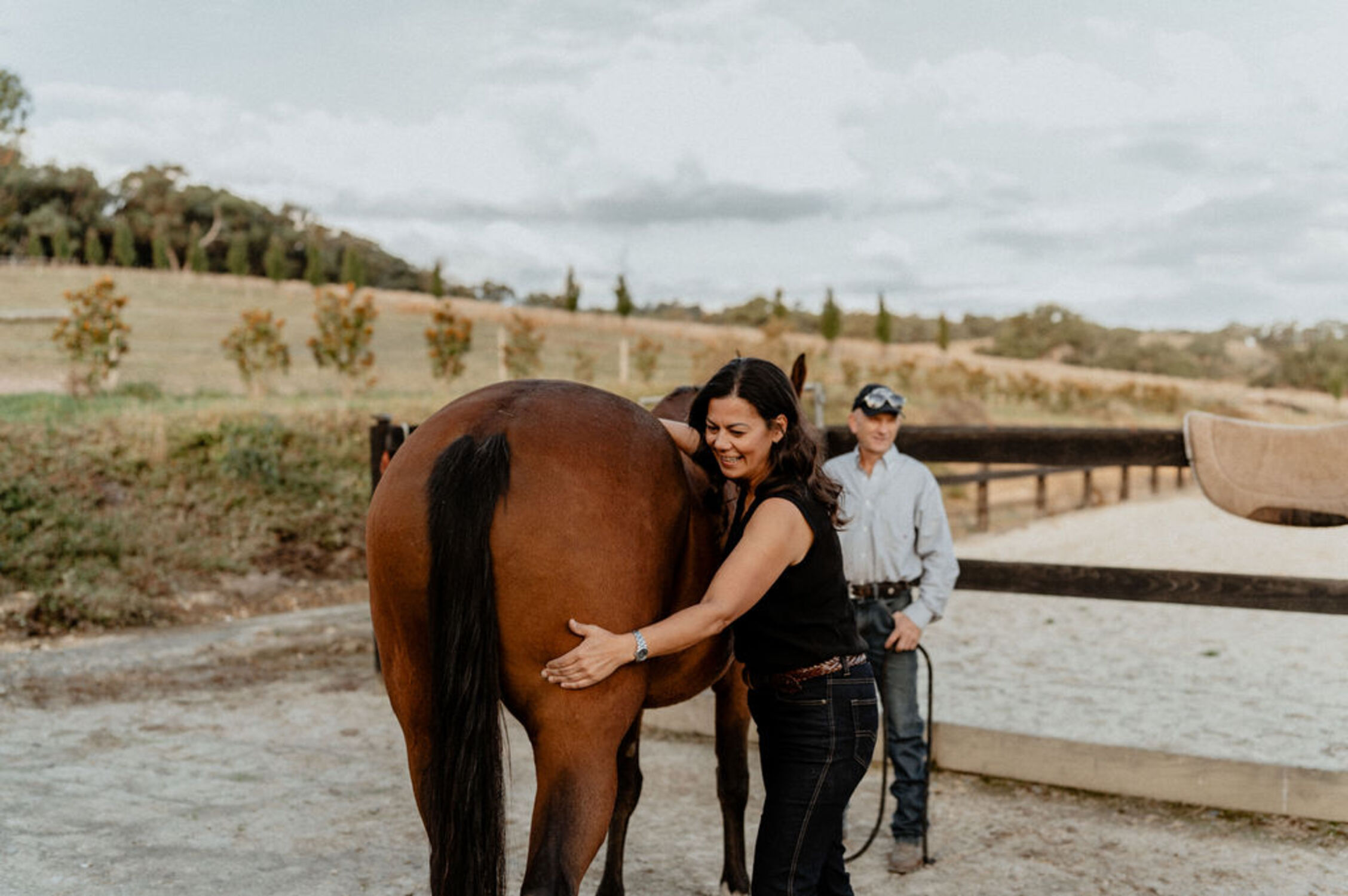
Equine Shiatsu is a gentle, hands-on wellness technique grounded in the ancient, holistic principles of traditional Japanese and Chinese medicine. This vitalistic therapy involves applying rhythmic finger and palm pressure with conscious touch to stimulate the horse's subtle energy pathways, or meridians (qi). The primary objective is to facilitate the natural flow of this life-force energy, clearing stagnant energy and energetic blockages throughout the body.
This integrative practice supports the body’s innate healing capabilities by enhancing energetic circulation, balancing the nervous system, and fostering deep relaxation within both the physical form and the emotional spirit, ultimately restoring harmony, vitality, and profound well-being.
Moxibustion
Moxibustion (also known as moxa) is a non-invasive, beneficial heat therapy. It works by safely burning the herb mugwort above the skin to create warmth and stimulate specific acupuncture points.
The therapy offers numerous benefits, including:
Improving Circulation: Stimulating the flow of "qi" (vital life force).
Relieving Pain: Eliminating "cold and damp" from the body to ease musculoskeletal and arthritic discomfort.
Boosting Wellness: Activating the body's natural healing response and strengthening immunity.
Enhancing Vitality: Amplifying energy levels, easing fatigue, and reducing anxiety.
Myofunctional Therapy
Equine Myofunctional Therapy (EMT) is a comprehensive approach to horse wellness that addresses muscle tension through both scientific/clinical and holistic viewpoints. It recognizes that musculoskeletal issues can impact the entire physiology of the horse, affecting systems like the nervous, circulatory, and endocrine systems.
A typical session is designed to assess the horse's movement and posture to pinpoint specific areas of pain or restriction. Therapists then apply a range of specialized manual techniques—such as massage strokes, trigger point therapy, stretching, and mobilization exercises—to release tension and restore optimal function. A key component of the therapy is client education and home care instructions, empowering the owner to support the horse's long-term well-being and recovery.
Bowen Therapy
Equine Bowen Therapy (EBT) is a gentle, non-invasive, hands-on technique that awakens the horse’s natural healing capabilities. Instead of traditional massage, EBT uses light, specific "rolling" moves over key soft tissues and the pervasive connective tissue network called fascia. These movements are interspersed with vital pauses, giving the horse's system time to process the input and integrate the changes internally.
The therapy helps return stiff, stressed fascia to a supple state, essentially "resetting" the body's physical blueprint. Furthermore, EBT works with the horse's subtle energy systems, stimulating acupuncture points to clear blockages in the life force. This rebalancing enhances circulation and lymphatic drainage, helping the body detoxify and deeply heal.
EBT respects the horse's innate wisdom, allowing the animal to guide the session. This approach empowers the body to heal itself, leading to restored vitality, fluid movement, and a harmonious state of well-being.
Iridology
Iridology is a method which is used to reveal potential health conditions by the interpretation of the intricate fibres, patterns and colours that are displayed in the coloured part of the eye known as the iris.
The iris is a complex organ of the eye which has an interconnection between each organ of the body via the peripheral nervous system (PNS), the central nervous system (CNS) and the optic nerves.
When observing the iris, an iridologist will study the various patterns and the brightness and the fibres, to determine the overall health of the patient through markings which display weakness, genetic pre dispositions, strengths, injuries/scarring and individual dispositions which can all be found within the eyes.
This is established through a grid like system that has a format similar to that of a clock where the iris is divided into zones which represent specific areas of the body.
These various markings are then interpreted by the iridologist as numerous pieces of a puzzle which need to be placed together and studied before the big picture and wholistic view can be determined.
Just as a Naturopath takes a holistic view of the health of a patient...covering lifestyle, deameanor, diet, supplements, rehab and past and present illness, an iridology consult will be no different, especially because an iridology practitioner is often a Naturopath or someone who has studied anatomy at great lengths to enable them to have a clear understanding of the anatomy and physiology of their patient.
Once all of the findings have been sorted and translated for the individual, a plan can be created for the future to ensure that the owner is aware of any areas that may need strengthening, rehab or revisions to the diet and supplementation.
Sometimes there are no changes to be made, but rather an awareness and understanding as to why the patient may behave in a certain manner and other times, as well as the aspect of awareness, changes will be welcomed once the eyes have disclosed what we may not have understood in the past.